
Commercial kitchen sinks endure constant use, exposure to grease, food residue, and cleaning chemicals, and the daily wear that comes with high-volume foodservice. For wholesalers, importers, distributors, and project buyers, understanding maintenance best practices is not just a service topic — it is a way to reduce warranty claims, improve end-user satisfaction, and build long-term credibility with foodservice clients. This article outlines practical maintenance guidance for stainless steel commercial kitchen sinks, with reference to the material and construction choices that influence long-term performance.
Daily Cleaning and Hygiene Routines
Daily cleaning is the first line of defense against bacteria buildup and surface degradation. Industry guidance recommends a “clean as you go” policy combined with a thorough end-of-shift cleaning routine. This approach prevents food and grease from hardening on sink surfaces, which makes subsequent cleaning faster and less aggressive on the stainless steel finish.
For stainless steel surfaces specifically, best practice is to wipe surfaces daily to prevent buildup of food, grease, or cleaning residues. Equally important is avoiding excess moisture: surfaces should never be left wet, and should always be dried after cleaning or sanitizing. Standing water — particularly water with food acids or cleaning chemicals — is a common cause of surface staining and, over time, can contribute to rust spots on lower-grade stainless steel.
Cleaning tools matter as much as cleaning frequency. Industry cleaning guidance advises using clean cloths and changing them frequently, then laundering after use. Sponges should not be used in a commercial kitchen because they can become heavily contaminated and hide soiling. A two-bag system — one for fresh rags and towels, one for soiled — helps kitchen staff maintain separation and reduces cross-contamination risk.
For buyers specifying sinks for foodservice projects, these routines are easier to sustain when the sink design supports them. A workstation sink with an integrated drainboard, such as the JOMOLA Satin Workstation Sink with Drainboard, keeps washed items and prep areas organized, which reduces the tendency to leave standing water and debris in the basin. Similarly, the JOMOLA Punching Stainless Steel Sink Integrated Drainboard (KA7545A) combines washing and drying space in one unit, formed for consistent shape and dependable everyday use.
Drain, Grease, and Preventive Maintenance
Clogged drains are among the most common and most avoidable commercial kitchen problems. Industry maintenance guidance recommends cleaning grease traps routinely, using in-sink strainers to prevent drain clogs, pouring waste grease into designated containers, and wiping down cookware before placing it in the dishwasher. A consistent grease management routine helps avoid expensive repairs and extends the life of commercial kitchen appliances.
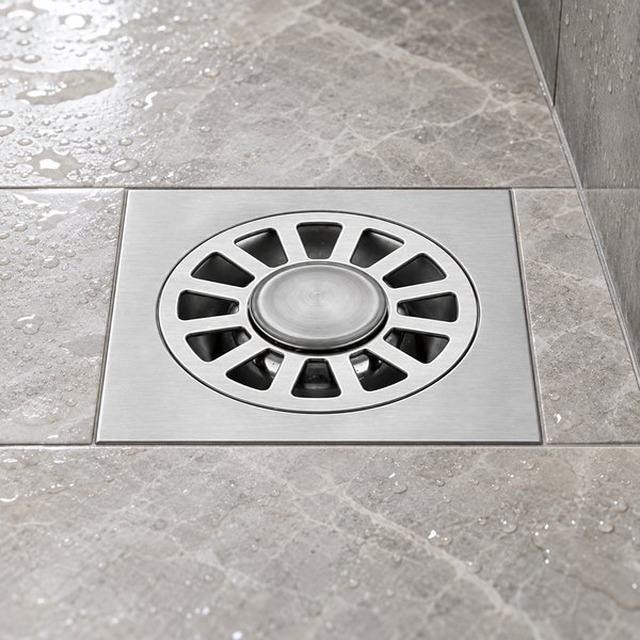
Floor drainage is part of the same system. In commercial kitchens, floor drains handle spills, wash-down water, and overflow. JOMOLA manufactures stainless steel floor drains built for reliable drainage in residential and commercial spaces, including the YYD-2356 floor drain cover in a compact 100×100 mm catalogue size, available in SUS 304 and SUS 201 stainless steel with a choice of 2 mm or 3 mm thickness. The YYD-802 floor drain offers a 9 mm thickness and a gunmetal grey surface finish, combining durability with a modern look in the same 100×100 mm catalogue size. The YYD-2325 large self-sealing flap floor drain measures 100×100 mm and is available in SUS 304 or SUS 201, giving buyers a choice of material grade to match project requirements.
Preventive maintenance programs deliver measurable benefits in commercial kitchens, which are prone to spills and heavy daily use. Beyond daily cleaning, industry guidance for stainless steel equipment includes inspecting equipment for scratches, dents, or signs of rust, since early attention prevents bigger problems, and considering a food-safe stainless steel polish for added protection. For sink buyers, these practices translate into specifying finishes and material grades that align with the cleaning chemicals and abrasion levels the end user will actually apply.
Material Selection as a Maintenance Strategy
Maintenance outcomes begin at the specification stage. Stainless steel kitchen sinks remain the backbone of the kitchen category, and not all stainless steel is equal — the grade specified influences corrosion resistance and long-term appearance. JOMOLA’s floor drain range illustrates how material grade and thickness are presented as buyer choices: SUS 304 or SUS 201, and 2 mm or 3 mm thickness on the YYD-2356, or 9 mm thickness on the YYD-802. For commercial applications, these options allow distributors and project buyers to match product to the expected duty cycle and cleaning regime.
Design trends also intersect with maintenance. Workstation sinks with a built-in ledge, single deep bowls, and integrated drainboards are among the formats gaining traction, and these configurations can support cleaner workflows by keeping prep, washing, and drying zones distinct. For buyers sourcing for 2026 projects, JOMOLA’s sink and drain range is available for B2B sourcing, project supply, and OEM/ODM enquiries, with drawings, available finishes, dimensions, MOQ, and packaging options available on request.
Recent Company News
JOMOLA’s recent blog coverage has focused on category education for wholesale and project buyers. Recent articles include “Fireclay Sink vs Quartz Sink: Choosing the Right Material for Your Buyers,” “Kitchen Faucet Market Trends and What Buyers Look for in 2026,” “Quartz Sink Installation and Maintenance Tips for Retailers,” “Handmade Sink vs Machine-Pressed Sink: Differences for Importers,” and “304 Stainless Steel Grade Guide for Kitchen Sinks Explained.” These topics reflect the sourcing decisions that distributors and importers face across sink materials, construction methods, and faucet categories.
Conclusion
Commercial kitchen sink maintenance is a discipline built on daily cleaning, disciplined grease and drain management, and preventive inspection. For B2B buyers, the practical takeaway is that maintenance performance is shaped before installation — by the stainless steel grade, thickness, drainage design, and sink configuration specified. Sinks with integrated drainboards and workstation functionality support cleaner daily routines, while stainless steel floor drains in appropriate grades and thicknesses help manage wash-down and spillage. Distributors and project buyers who align product specification with end-user cleaning practices can reduce complaints, extend product life, and strengthen their position in a kitchen sink market that continues to expand.
About JOMOLA
JOMOLA is a Chinese OEM/ODM manufacturer of kitchen sinks, kitchen faucets, bathroom sinks, bathroom faucets, shower faucets, and floor drains. The company supplies wholesalers, importers, distributors, and project buyers, and accepts B2B sourcing, project supply, and OEM/ODM enquiries. Product documentation including drawings, available finishes, dimensions, MOQ, and packaging options is available on request.
Sources
- https://m.samsink.com/blog/The-Ultimate-Guide-to-Commercial-Kitchen-Sinks-Styles-Materials-and-Hygiene-Standards_b26228
- https://quickservant.com/maintaining-commercial-kitchen-equipment
- https://boh.ai/blog/mastering-kitchen-maintenance-best-practices-for-a-clean-and-functional-space
- https://starfoodequipment.com/commercial-kitchen-stainless-steel-maintenance
- https://www.issa.com/articles/best-practices-for-commercial-kitchen-cleaning
- https://www.gminsights.com/industry-analysis/kitchen-sinks-market
- https://www.lilyanncabinets.com/cabinet-articles/top-kitchen-sink-faucet-trends